-
Interpretation: Between Facts and Freedom

The central issue is not simply what is happening. It is how what is happening is being made intelligible. Because events, on their own, do not arrive with meaning already attached to them. They must be interpreted. They must be narrated. They must be placed within some kind of framework that allows people to say… Continue reading
-
Air at 49

You have always walked your own road,not the easy one,but the one that asked something of you …and you answered. Not with noise,not with spectacle,but with a steady couragethat reshapes the world quietly. You carry distance in your bones …miles from where you began,threads of home stretched across time zones …and still, you stand,rooted in… Continue reading
-
The Nuclear Option: Who needs Bombs?

“Closing the Strait of Hormuz would be Iran’s ‘nuclear option.’ The phrase is meant metaphorically. And yet, like many metaphors, it reveals more than it intends. Continue reading
-
The QuestionS of Wars: Why Every War Asks the World Different Moral Questions
When a war begins, people often hear the same moral demand. You cannot remain neutral. You must choose a side. The statement sounds principled and urgent, and in moments of violence it can feel persuasive. Yet it is also misleading. Having lived in Saudi Arabia, and being exposed to both their value for increased wealth… Continue reading
-
Arendt Reconsidered Zionism

Arendt believed she had identified a governing logic: the pursuit of security through domination, reliance on imperial sponsorship, and the presumption that conflict is eternal and unsolvable. In her view, this logic would entrench rather than resolve hostility. Continue reading
-
Action in an Age of Systems: Anthony Giddens, Hannah Arendt, and the Problem of Technocratic Rationality
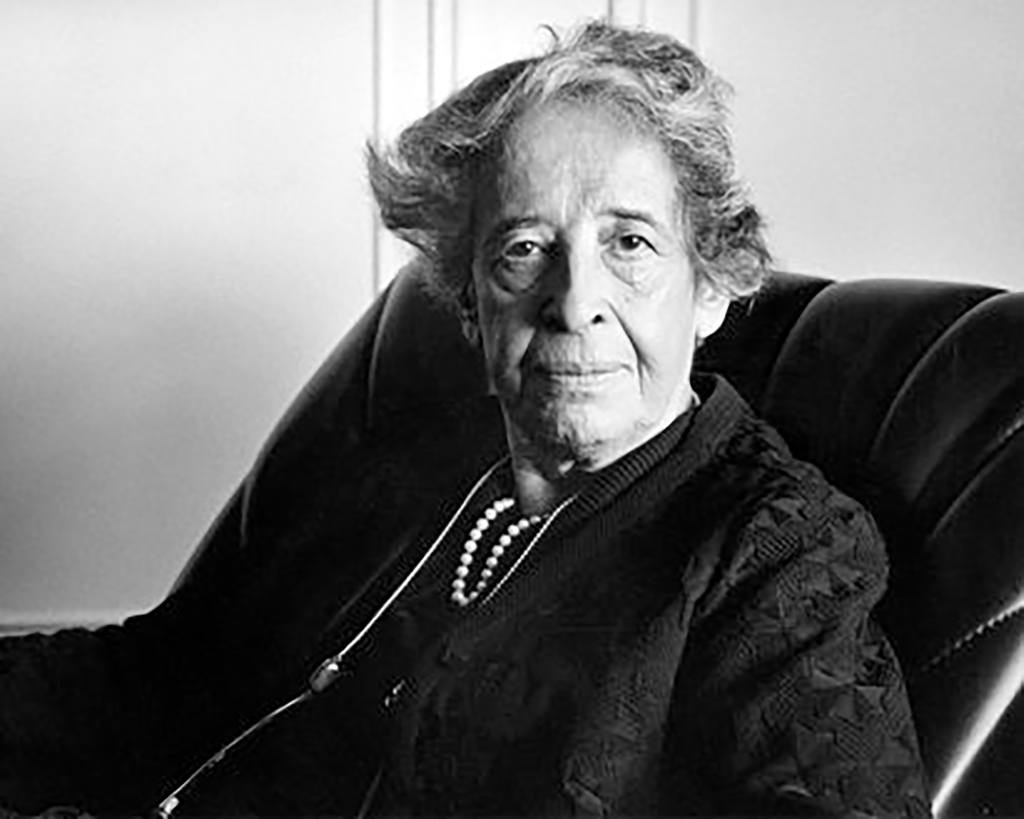
Her analysis of totalitarianism underscores how thoughtlessness and procedural obedience can replace moral responsibility. But her critique extends beyond extreme regimes. Whenever politics is reduced to technique, something essential is lost. Continue reading
-
Love and Christian Nationalism

I am not a Christian nationalist. But neither am I comfortable with the reflex to sneer at those who are. That reflex reveals something troubling about our age: we no longer know how to disagree without attempting to destroy. The word “debate” increasingly feels like a ritual of denunciation. The goal is not persuasion, but… Continue reading
-
A Letter to Western Canadian Readers: On Power, Separation, and the Cost of Exit

When separatism is framed as leverage (“do this or we leave”) it signals a shift away from persuasion and toward coercion. It treats political relationships not as shared projects to be renewed, but as transactional arrangements to be threatened. Continue reading
-
Beyond Mastery: Grounded Human Power
The choice between domination and cooperation is therefore not merely political or organizational. It is existential. How we exercise power shapes who we become. Leverage secures obedience but hollows identity. Cooperation demands patience and humility, but it produces belonging. Continue reading


 Raymond Klassen - Ideals and Identities