
Spirituality
-
Loy Krathong: The Art of Receiving and Releasing Life
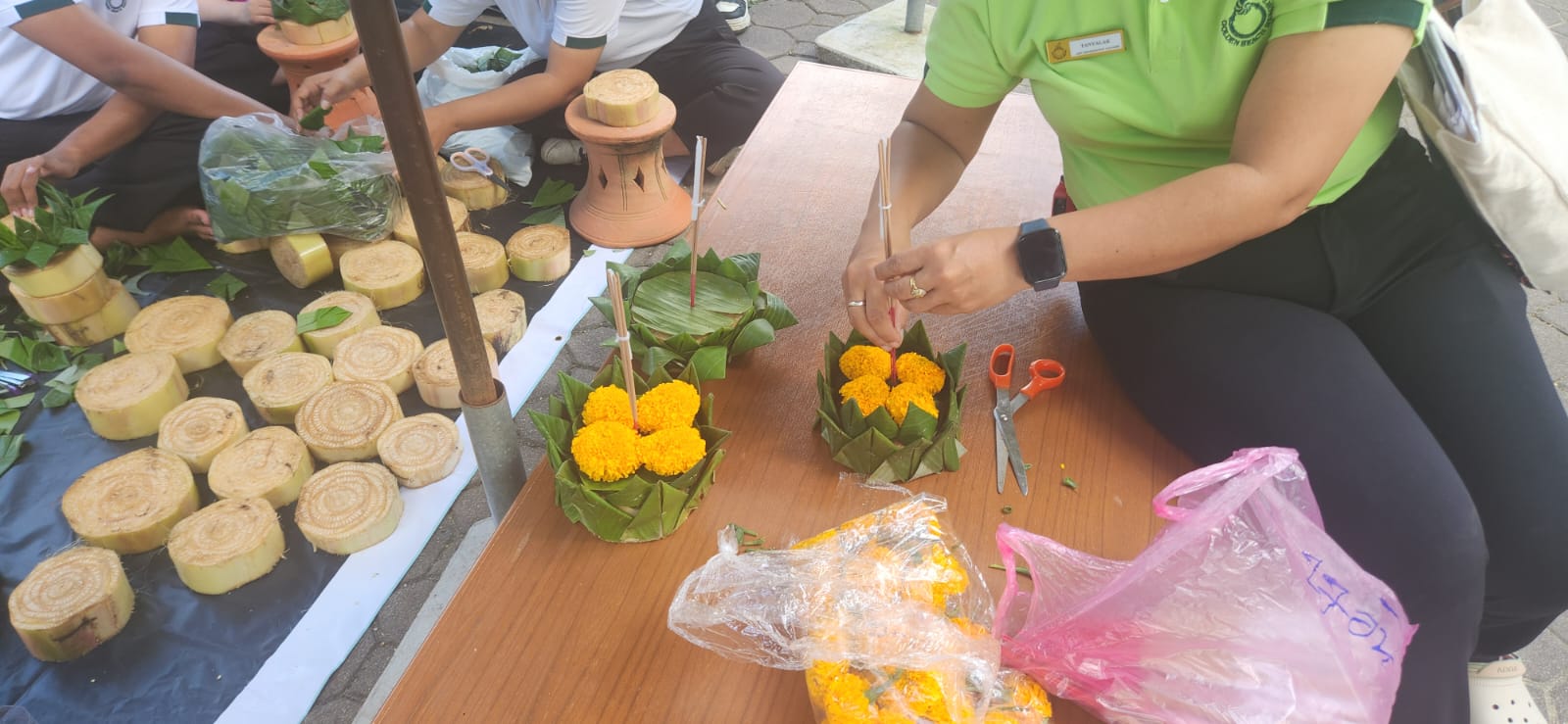
There is something deeply human about standing at the edge of the water, holding a small light in one’s hands, and preparing to release it. For a moment, we are invited to recognize both the fragility and the giftedness of our existence. We are reminded that much of what makes our lives meaningful cannot be… Continue reading
-
The Market and the Mall: Two ways of imagining modern China

A person can purchase breakfast from a small vendor, pay for a train ticket on a smartphone, work in a highly organized institution, and meet friends in a shopping mall, all within an ordinary day. These experiences do not require that person to choose between two centuries or two civilizations. Continue reading
-
The Digital Learner: Technology, Education, and the Question of Human Purpose
A tool is something we employ within an environment; an environment is something within which we learn to understand the world. Environments do more than enable particular activities: they help establish the conditions under which certain activities appear natural, desirable, or even necessary. Continue reading
-
This Friday, The Architecture of Authenticity Launches
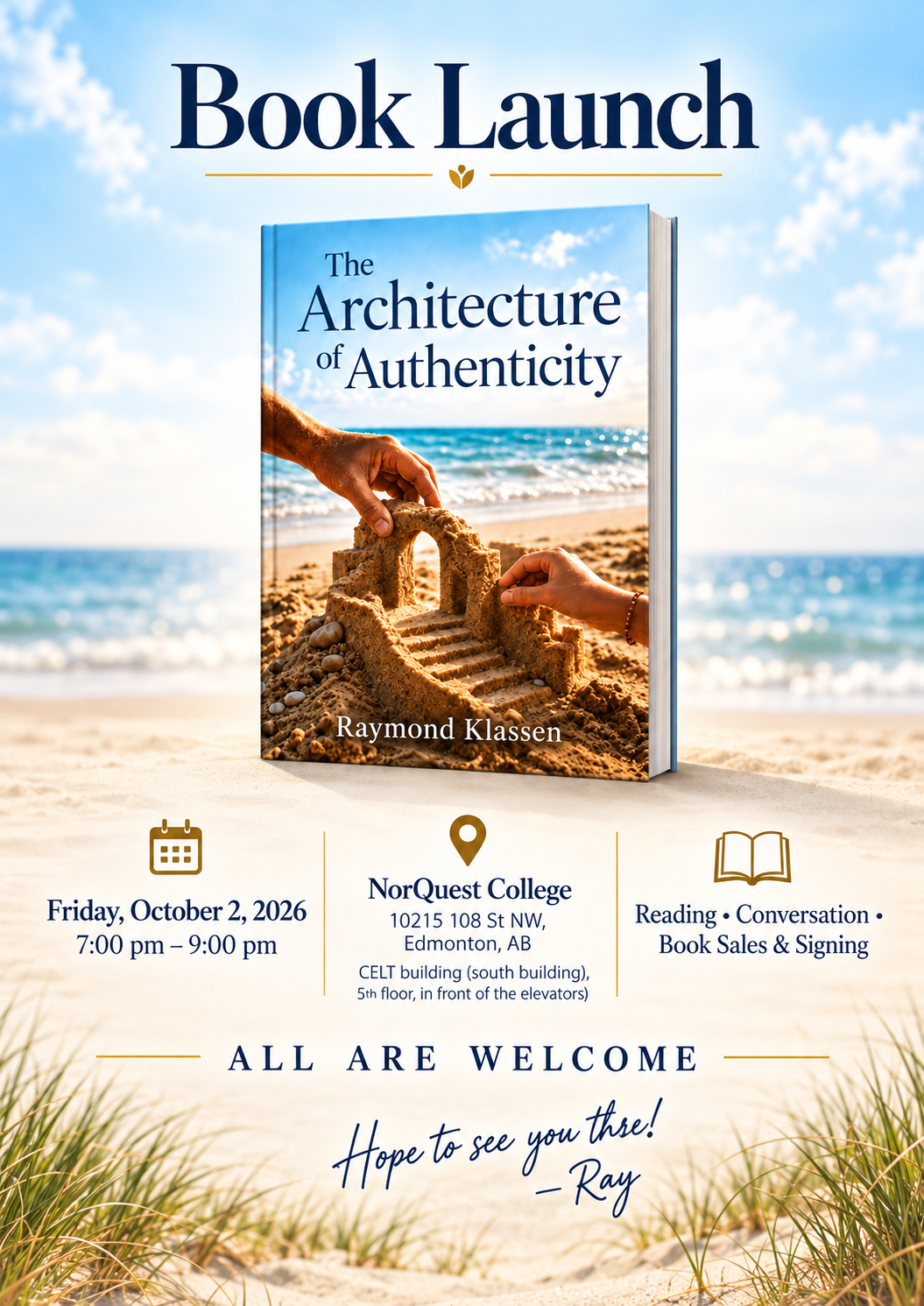
One idea runs underneath almost everything I have written in this book: We receive before we achieve. None of us creates ourselves from nothing. We inherit languages we did not invent, stories we did not begin, communities we did not build, and gifts we did not earn. Even our capacity to become ourselves depends, in… Continue reading
-
There Will Always Be Boxes Beside the Door

Maturity sometimes looks more like making room. We keep what has formed us without allowing it to occupy all the available space. That applies to ideas. It applies to traditions. It applies to the judgments of parents and teachers whose voices we may still hear years after they are gone. It applies even to our… Continue reading
-
Truthful Belonging: How Can a Life Become Our Own?
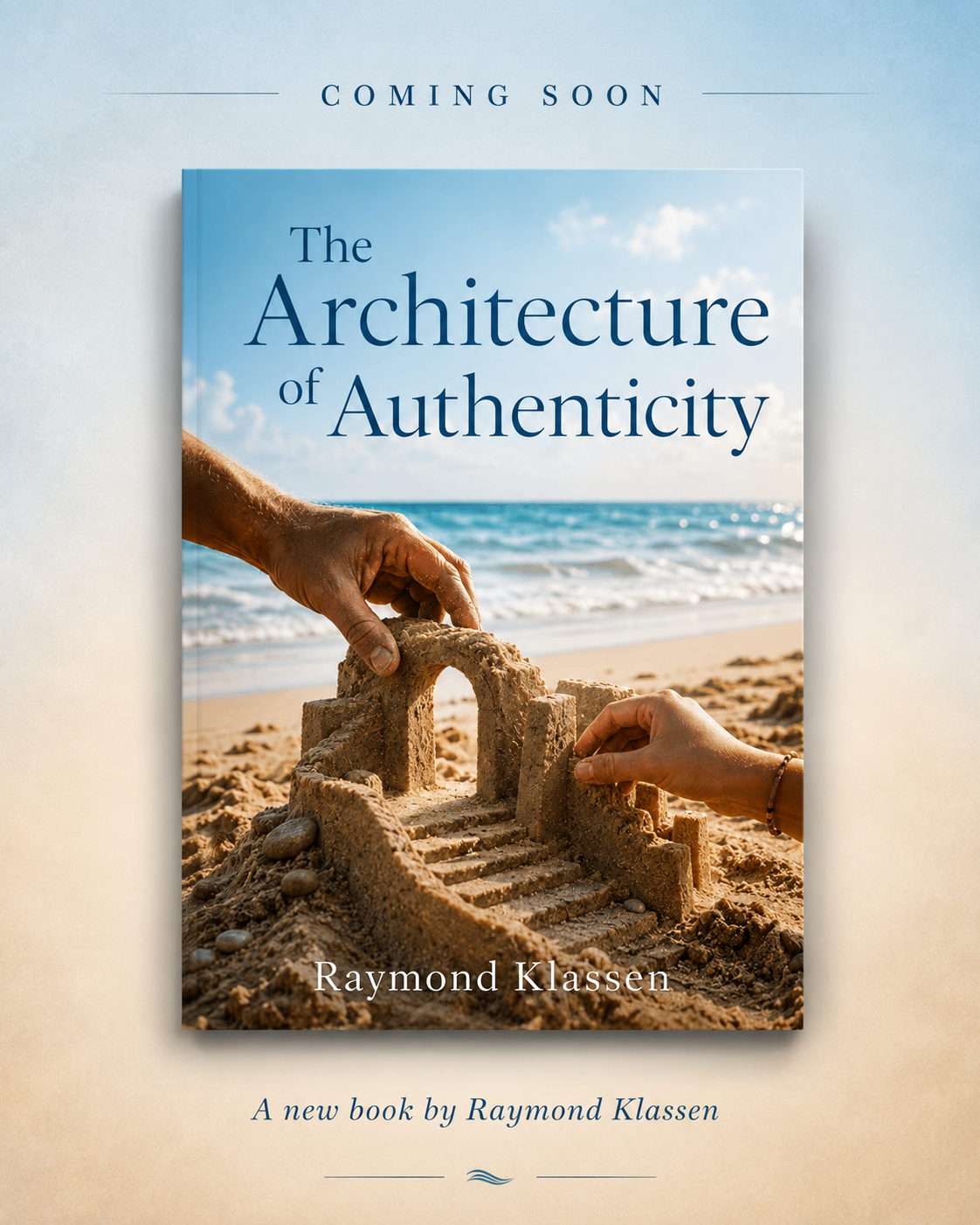
Sometimes belonging provided the conditions in which a life could flourish. Sometimes it narrowed what could be spoken or pursued. Sometimes individual aspiration opened a life; sometimes it damaged relationships whose value became visible only after they were strained. Continue reading
-
A Renewed Account of Authorship

{Developments in AI} do not immediately threaten authorship as such. They challenge a view of authorship formed under particular economic and market conditions. Continue reading
-
Well-formed Small Groups Form Their Members

New one out today: “A well-formed group asks students to practise attention. They must listen closely enough to understand what another person means, not merely wait for their turn to speak. It asks them to practise articulation. They must put a thought into words that others can hear, question, and use. It asks them to… Continue reading
-
Known Enough to Become Yourself

The self that comes back is never simply the self that left. Continue reading
-
Authenticity isn’t Legibility

Many performances of authenticity are protective. They arise not from vanity, but from fear. People learn to reveal enough to appear honest, but not enough to risk being known. Performed vulnerability then becomes a shelter. It looks like openness while preserving control over exposure. Continue reading