
Hannah Arendt
-
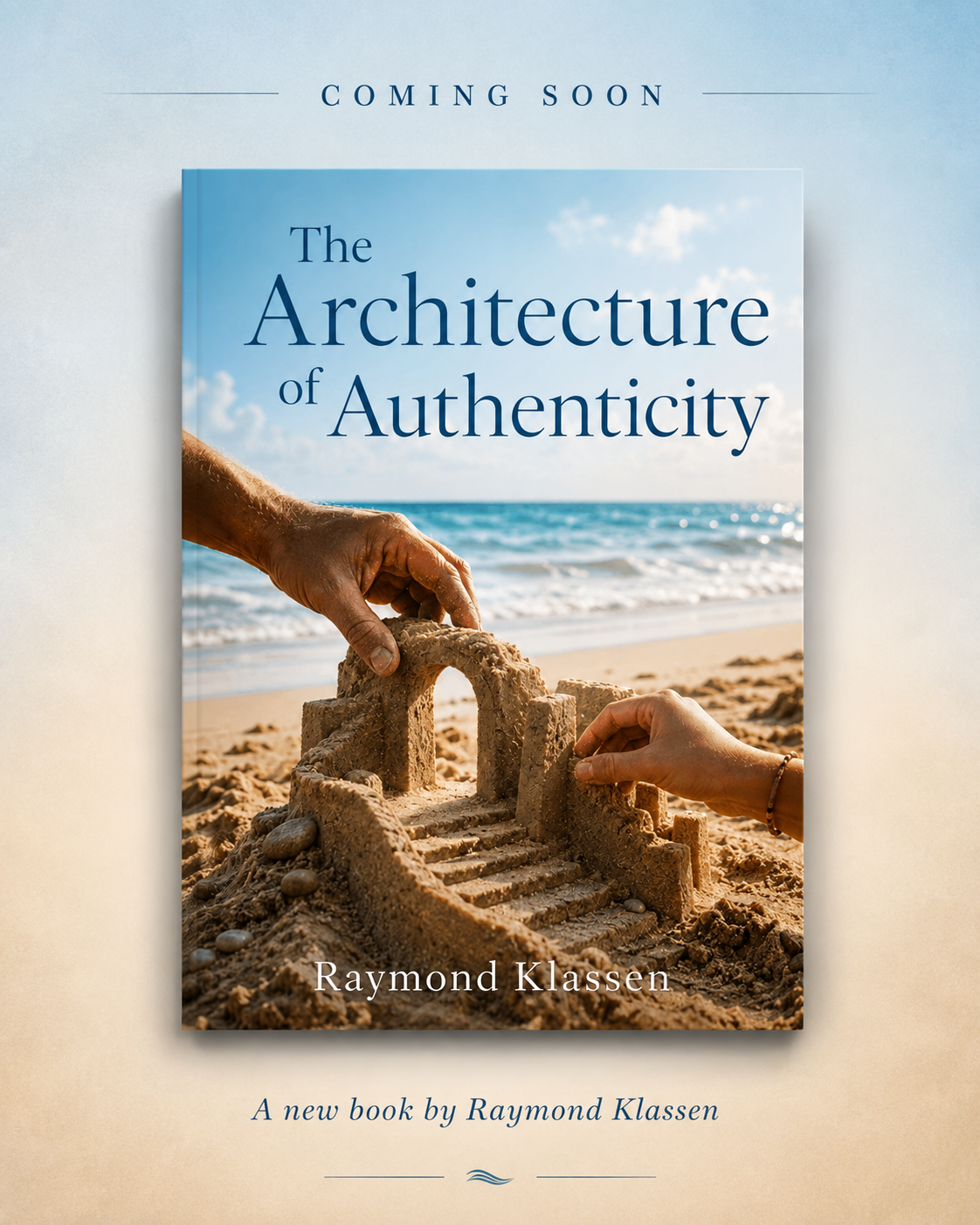
This Friday, The Architecture of Authenticity Launches
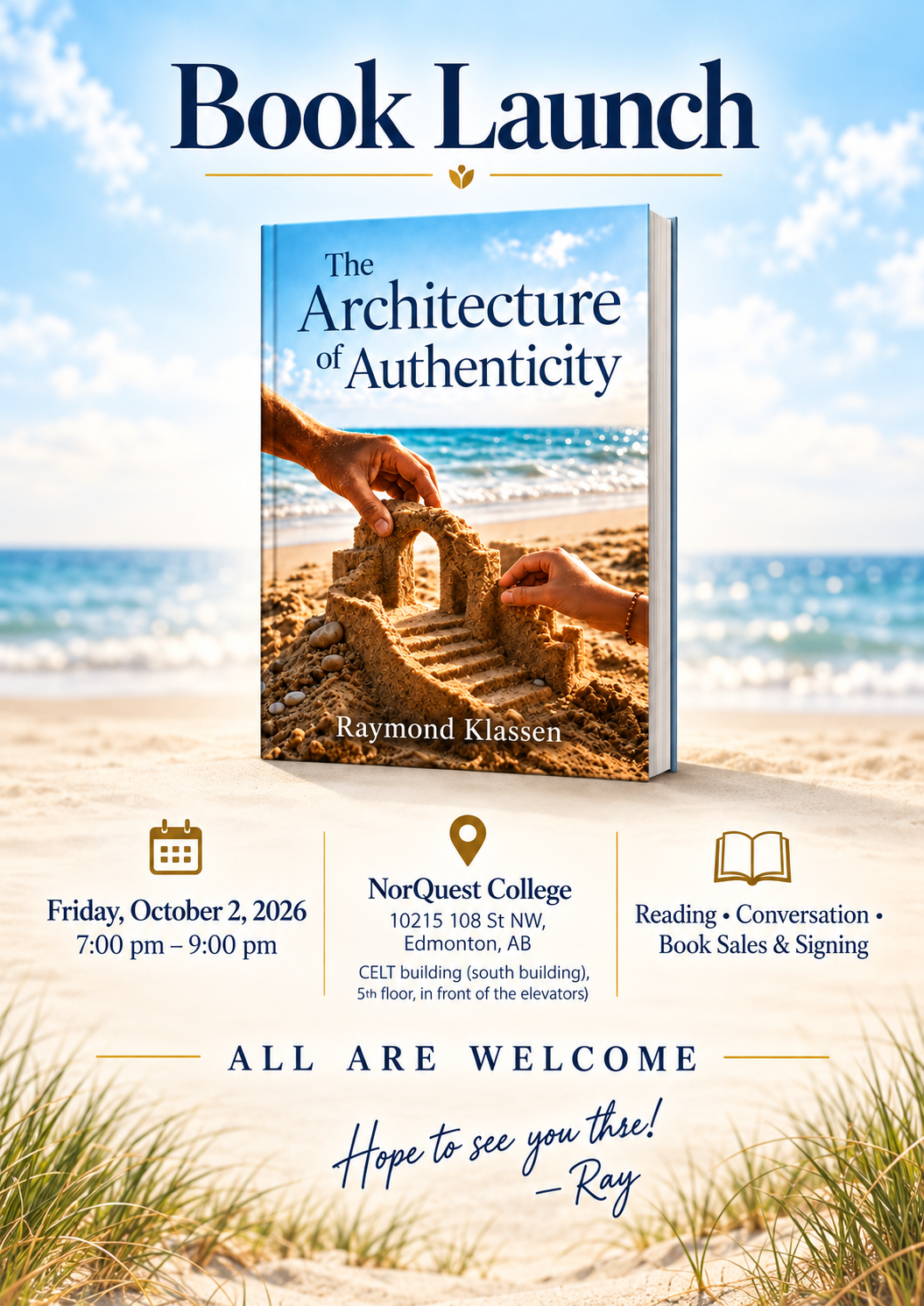
One idea runs underneath almost everything I have written in this book: We receive before we achieve. None of us creates ourselves from nothing. We inherit languages we did not invent, stories we did not begin, communities we did not build, and gifts we did not earn. Even our capacity to become ourselves depends, in… Continue reading
-
Truthful Belonging: How Can a Life Become Our Own?
Sometimes belonging provided the conditions in which a life could flourish. Sometimes it narrowed what could be spoken or pursued. Sometimes individual aspiration opened a life; sometimes it damaged relationships whose value became visible only after they were strained. Continue reading
-
Two Meanings of Sovereignty

My freedom matters precisely because fidelity cannot be coerced. A promise made under compulsion is not much of a promise. Love extracted by force is not love. A life that can genuinely be given must first, in some meaningful sense, belong to the giver. Continue reading
-
Beyond the Product: Standing Behind Our Work

Work becomes one way of caring for what we have received. We develop inherited capacities and return them, altered by attention and judgment, to the common world. None of us begins from nothing, and none of us can truthfully claim complete ownership of the conditions that made our contribution possible. Continue reading
-
A Renewed Account of Authorship

{Developments in AI} do not immediately threaten authorship as such. They challenge a view of authorship formed under particular economic and market conditions. Continue reading
-
Writing Without a Guarantee: The Risk of Work That Matters

I still do not know whether writing this book is professionally prudent. Perhaps it will strengthen future work; perhaps it will remain largely separate from my employment. It may find a modest readership, or its public life may take a form I cannot presently imagine. Continue reading
-
Authenticity isn’t Legibility

Many performances of authenticity are protective. They arise not from vanity, but from fear. People learn to reveal enough to appear honest, but not enough to risk being known. Performed vulnerability then becomes a shelter. It looks like openness while preserving control over exposure. Continue reading
-
Consumerism, or Consumption, of Self

I still think about an encounter I once had with Rosie, a young woman who appeared at my door in the middle of the night. What stayed with me was not merely the strangeness of the situation, but the unmediated quality of it. There was no audience, no profile, no performance, no curated identity. There… Continue reading
-
The Most Important Educational Technology: The Small Group

What if the most powerful educational technology available to us right now is not artificial intelligence, adaptive software, predictive analytics, or the next digital learning platform? What if the most powerful educational technology is still the human small group? Continue reading
-
Arendt Reconsidered Zionism

Arendt believed she had identified a governing logic: the pursuit of security through domination, reliance on imperial sponsorship, and the presumption that conflict is eternal and unsolvable. In her view, this logic would entrench rather than resolve hostility. Continue reading