-
Re-thinking Inclusion: Introduction
on the one hand, we could accept the knocker’s argument that nominally inclusive post-secondary institutions potentially produce a lot of harm. There is just too much scaffolding required for an institution through a department of accessibility to provide customized, individual agency at scale. On the other hand, we can accept the booster’s argument that if… Continue reading
-
Social Imaginaries

“the social imaginary… are the ways people imagine their social existence, how they fit together with others, how things go on between them and their fellows, the expectations that are normally met, and the deeper normative notions and images that underlie these expectations.” Continue reading
-
If it Walks Like a Duck

Let’s not mince words: this is a duck; it is totalitarianism. This is no authoritarian swan or oligarchic goose; it is a totalitarian duck.. Continue reading
-
Canada’s Mindful Approach to Managing Trump’s Influence

“Canada’s long-term relationship with the United States is more significant than any one leader’s policies, and recognizing the impermanence of Trump’s influence helps in moving forward without dwelling on past conflicts.” Continue reading
-
The Good Life: Differing Visions for a Thriving Society

“…if we are to offer resistance to the coup attempt on both the administrative state and on the imaginary that agency is core to a meaningful life, we might consider pushing back on over-reach technological rationality.” Continue reading
-
Social Learning Models: A Path for Neuro-Diverse Success
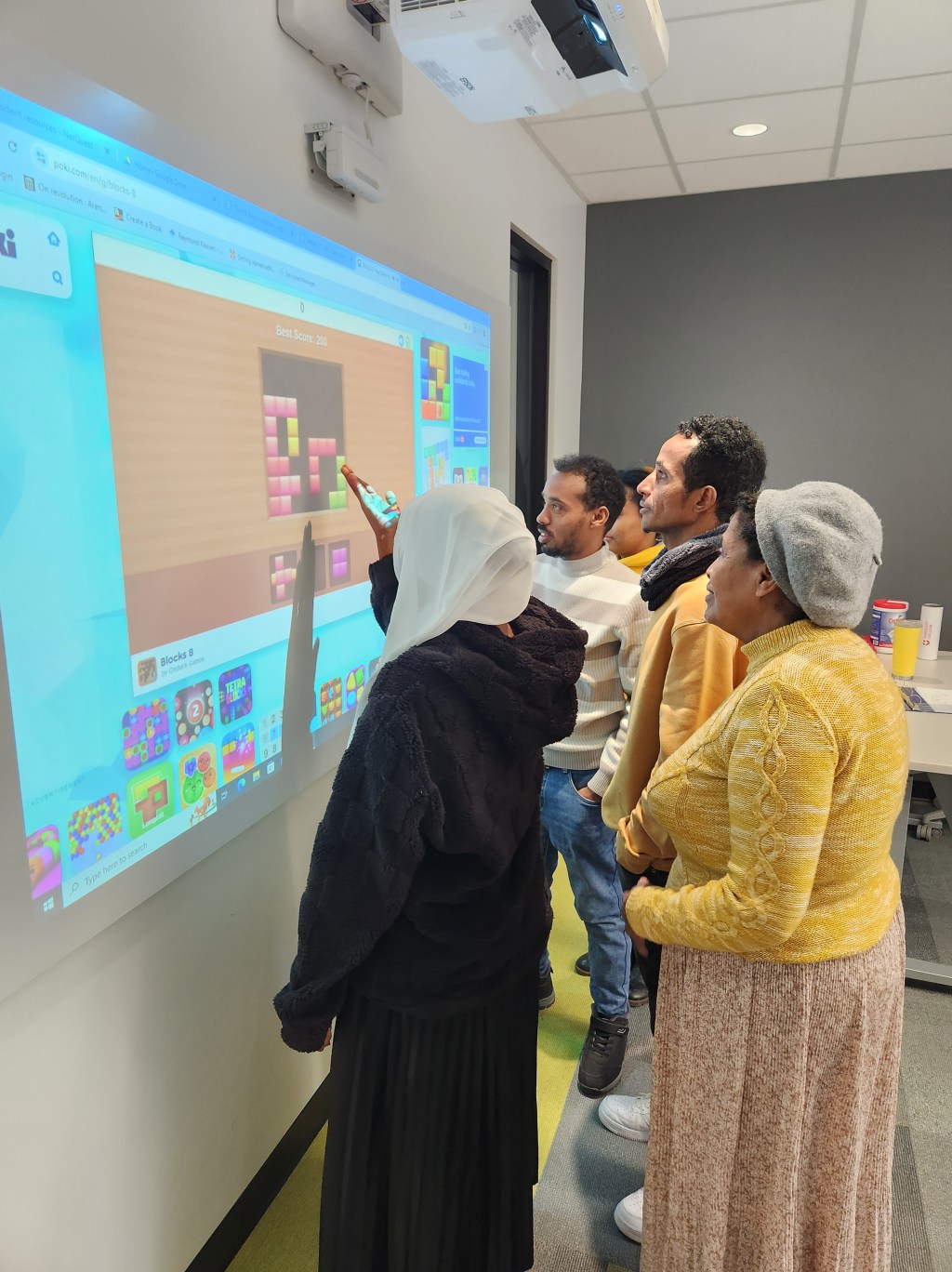
(This is the third in a series of posts generated from the experience of teaching neuro-diverse newcomers to Canada in a workplace training program. The first: “The Neurodivergent Advantage“; the second: “The Evolution of Ability“) In the ever-evolving landscape of education, creating learning environments that cater to neuro-diverse adults has become increasingly vital. Traditional models… Continue reading
-
Evil Never Wins… or Dies
Fortunately, I haven’t been much moved by an idea of America, or been swept-up in anti-American sentiment. I’ve never really understood what America even is. Continue reading
-
A Review of David Beck’s Fragments: Reflections on Life and Faith throughout the Years

If you are going through a midlife change, or reflect on life at all, you have to read this book. Book reviews are supposed to be brief, but exercising restraint in reviewing David Beck’s “Fragments: Reflections on Life and Faith through the Years” ($15 softcover, $9.99 Kindle US, on Amazon.com), would be inauthentic. Moreover, it… Continue reading
-
Windshield Reflections #2

Little did she know that reading would be her competitor, my new mistress. Continue reading
-
Social Learning Models: A Path for Neuro-Diverse Success

Social learning, particularly in small groups, offers an effective framework for addressing the limitations of traditional education. A social model of learning mitigates risks, maximizes outcomes, and fosters a sense of belonging. Continue reading

 Raymond Klassen - Ideals and Identities